

Healthy eating habits are often linked to diet plans, superfoods, or temporary food trends. However, true healthy eating habits start with the everyday staples you use in your kitchen. As we move into 2026, the focus is shifting from short-term fixes to sustainable nutrition—and that begins with daily food choices.
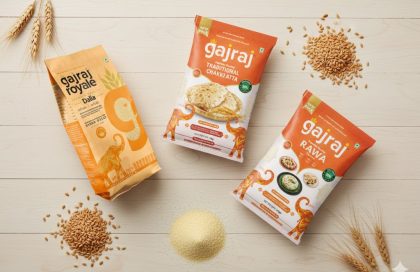
In Indian households, staples like atta, suji, and whole grains form the base of most meals. The quality of these ingredients has a greater impact on long-term health than occasional “healthy” meals. When chosen mindfully, everyday staples support digestion, energy, immunity, and overall wellness.
What you eat daily matters more than what you eat occasionally. Everyday staples:
A single healthy meal cannot balance a diet built on refined ingredients. But improving daily staples can quietly strengthen your healthy Indian diet over time.
Indian food naturally supports balance when prepared thoughtfully. Traditional meals combine:
The issue today isn’t Indian cuisine—it’s the increasing use of refined and low-nutrition ingredients. Returning to better-quality staples helps restore balance without changing familiar recipes.
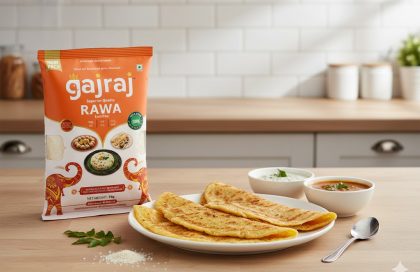
Suji (semolina) is often considered comfort food, but it plays an important role in a balanced diet.
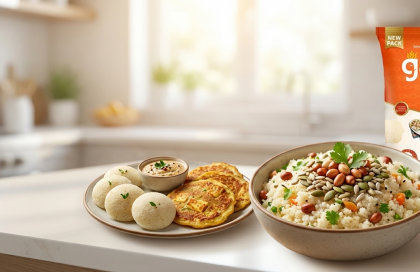
When combined with vegetables, pulses, or curd, suji becomes a nourishing base that fits naturally into healthy eating habits—especially for breakfast and light meals.
Whole grains retain essential parts of the grain that refined versions lose.
In 2026, nutrition experts continue to emphasize whole grains Indian food patterns over eliminating carbohydrates altogether.
Healthy eating habits are not only about ingredients but also about how food is prepared.
These habits help preserve nutrition while keeping meals familiar and enjoyable.
Daily staples influence:
Because they are consumed consistently, their quality matters greatly. Small improvements made today lead to lasting benefits over time.
You don’t need drastic changes. Start with:
These small steps make healthy eating habits sustainable and realistic.
Healthy eating habits focus on balanced meals, quality ingredients, and consistency.
Yes, whole wheat atta contains fiber and nutrients that maida lacks.
Yes, when paired with vegetables or proteins and cooked mindfully.
They support digestion, energy, and long-term health.
Healthy eating habits in 2026 don’t require extreme diets. They begin with everyday staples—the atta you knead, the suji you cook, and the grains you rely on daily.
By choosing better-quality ingredients and cooking mindfully, you can build a healthier lifestyle without giving up traditional food. Start small, stay consistent, and let your everyday meals do the work.